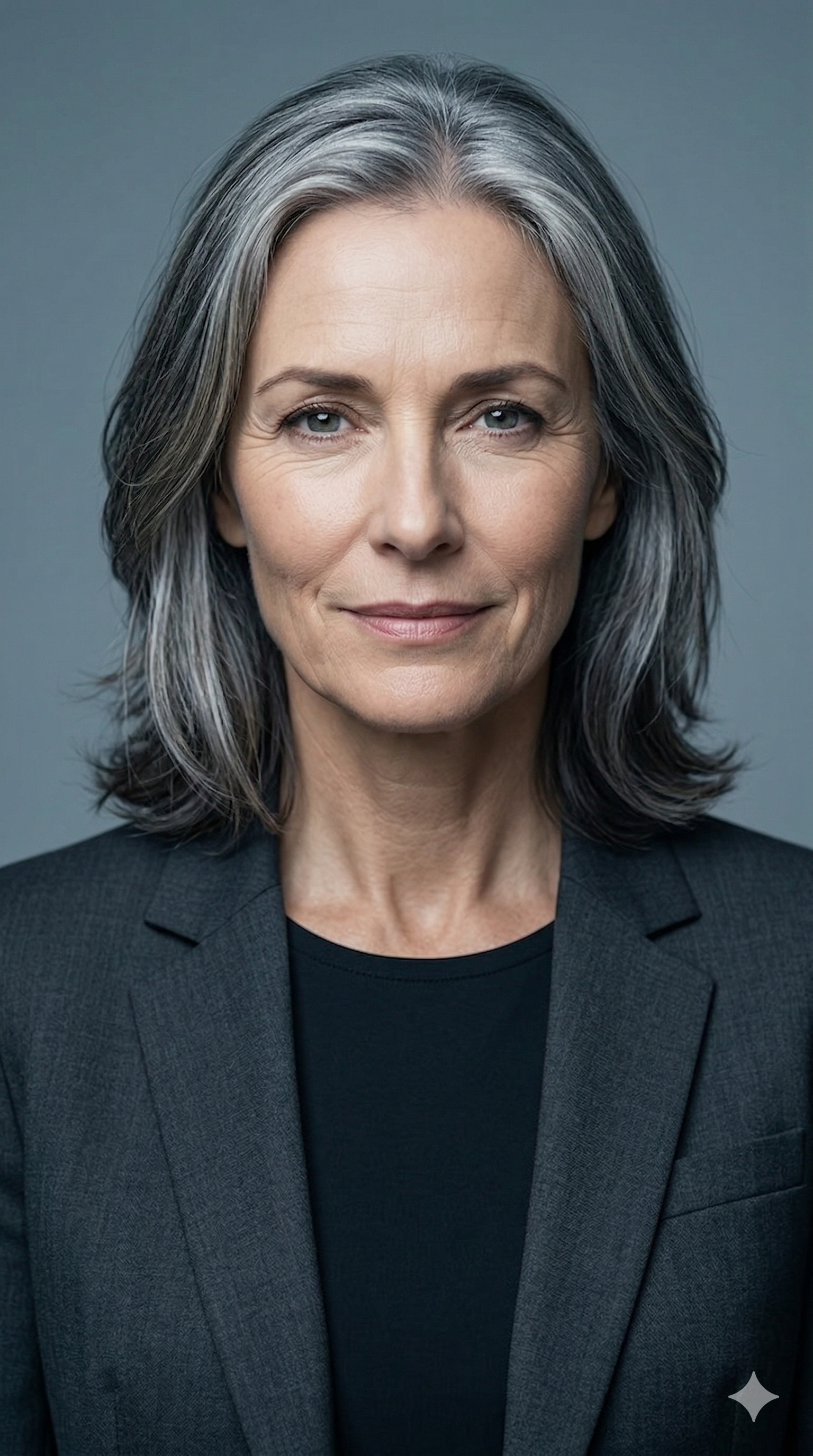
Margaret Holloway
Health & Science Journalist | Portland, Maine
Margaret Holloway has spent nearly thirty years covering the intersection of medicine, policy, and the patients caught between them. Her work has appeared in The Atlantic, The New York Times Magazine, STAT News, and Scientific American, and her 2019 book on chronic pain and the American healthcare system remains required reading for anyone trying to understand why so many patients fall through the cracks. She came to medical cannabis not as a patient but as a reporter — following the evidence, interviewing the clinicians, and refusing to let advocacy outrun the science. She writes about medical cannabis because patients deserve the same rigor that any serious health topic deserves.
Read Their Articles →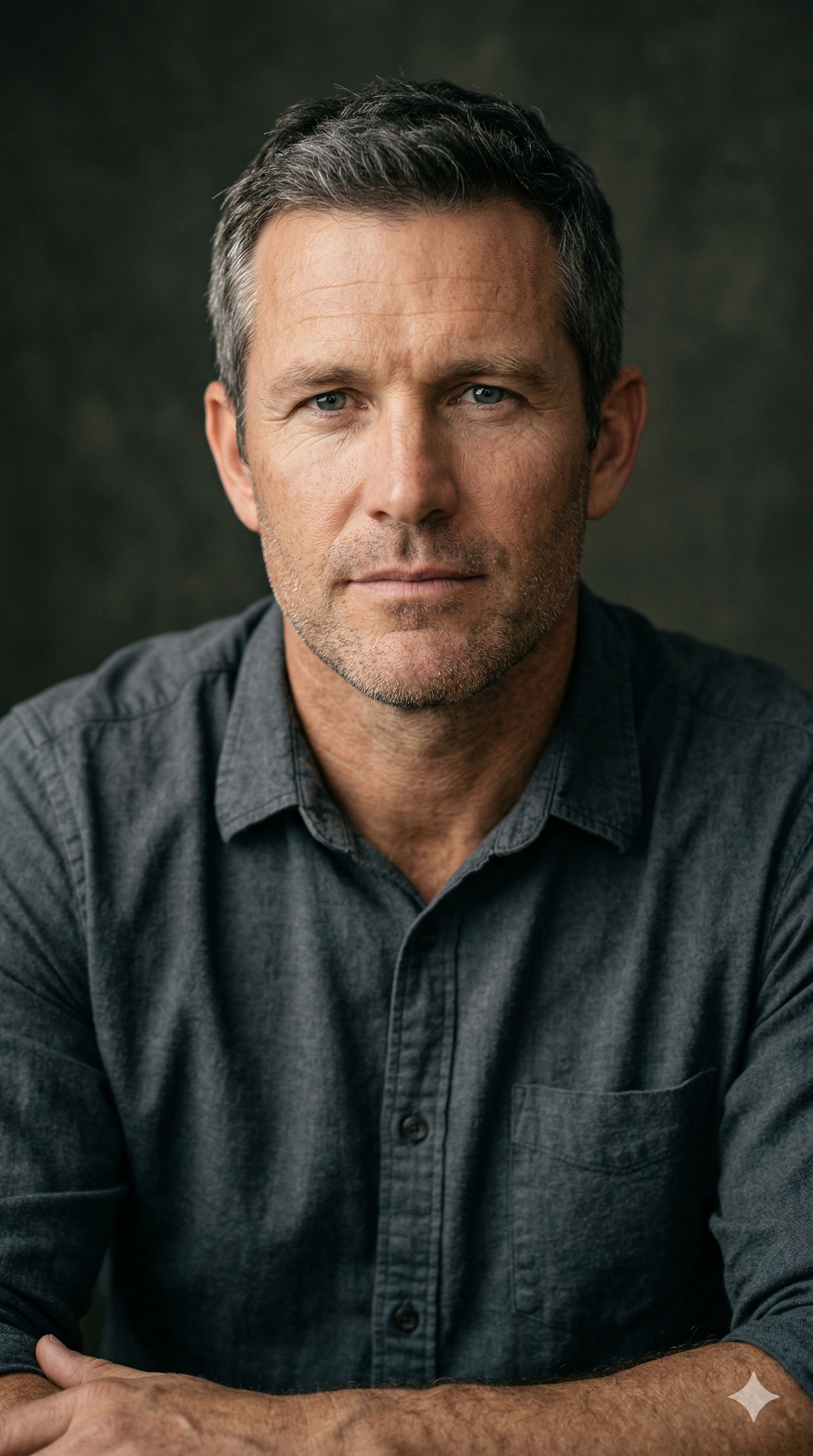
Dale Krause
Marine Corps Veteran | Sheridan, Wyoming
Dale Krause served two combat deployments — Iraq and Afghanistan — before a roadside IED ended his career and started a decade-long education in what the VA could and couldn't do for chronic pain. He spent years on a pharmaceutical cocktail that kept him functional but, as he puts it, made him feel like furniture in his own house. He found his way to medical cannabis in 2016 and has been writing about that experience honestly ever since — not as an advocate, but as someone who did the trial and error so other veterans don't have to start from zero. He lives outside Sheridan with his wife Sarah and their two kids.
Read Their Articles →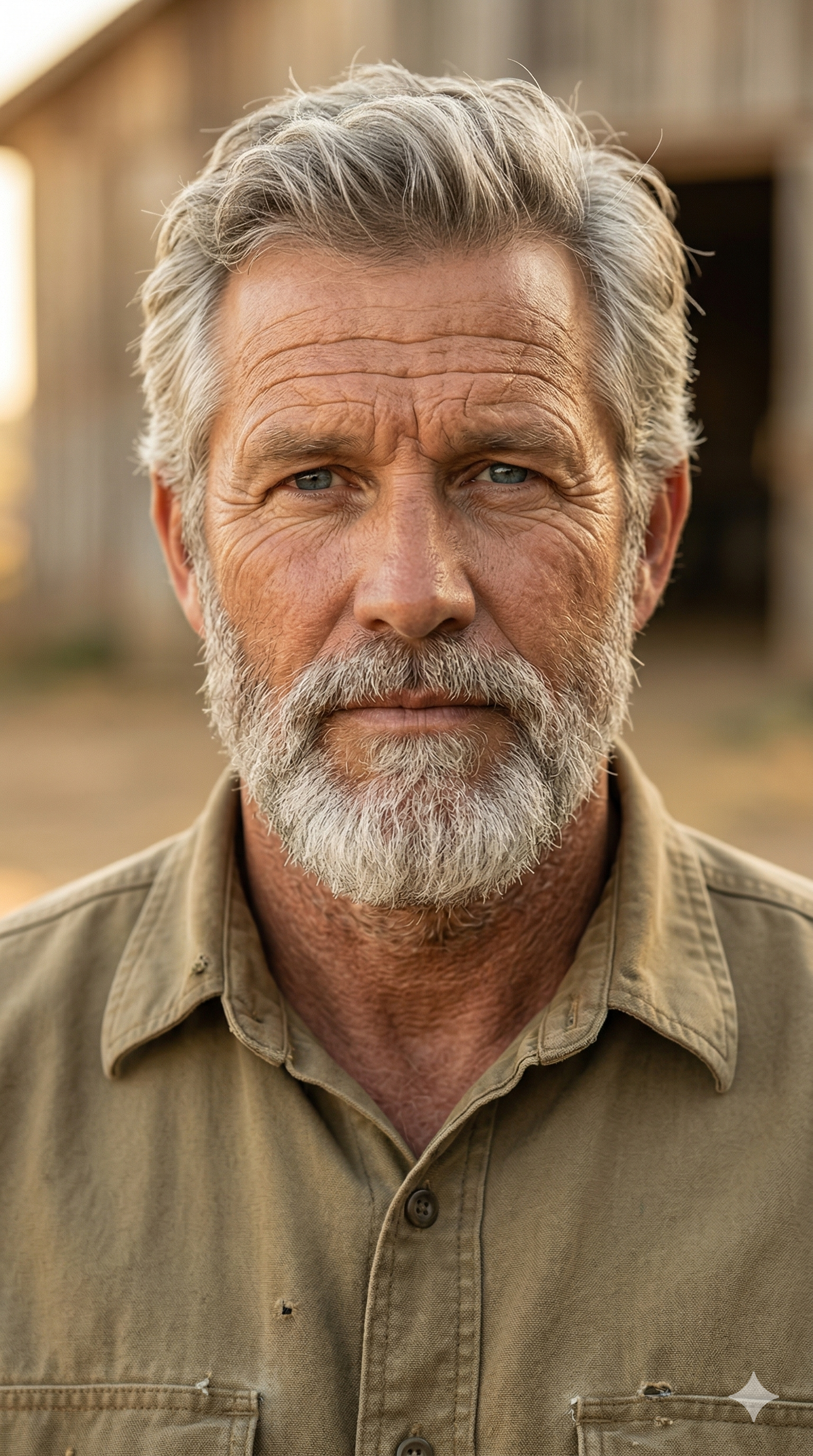
Hank Pruett
Third-Generation Cattle Rancher | Kaycee, Wyoming
Hank Pruett has worked the same Johnson County ranch his grandfather homesteaded in 1919, and his body shows forty years of it. He didn't come to cannabis looking for a lifestyle change — he came to it because a herniated disc during calving season left him unable to sleep more than four hours a night and unwilling to stay on the tramadol that was making him too foggy to do his job right. His daughter's topical salve, applied by his wife without asking permission, changed that. He writes plainly about what works and what it costs, because he knows there are ranchers and farmers across the region hurting in silence and too stubborn to ask.
Read Their Articles →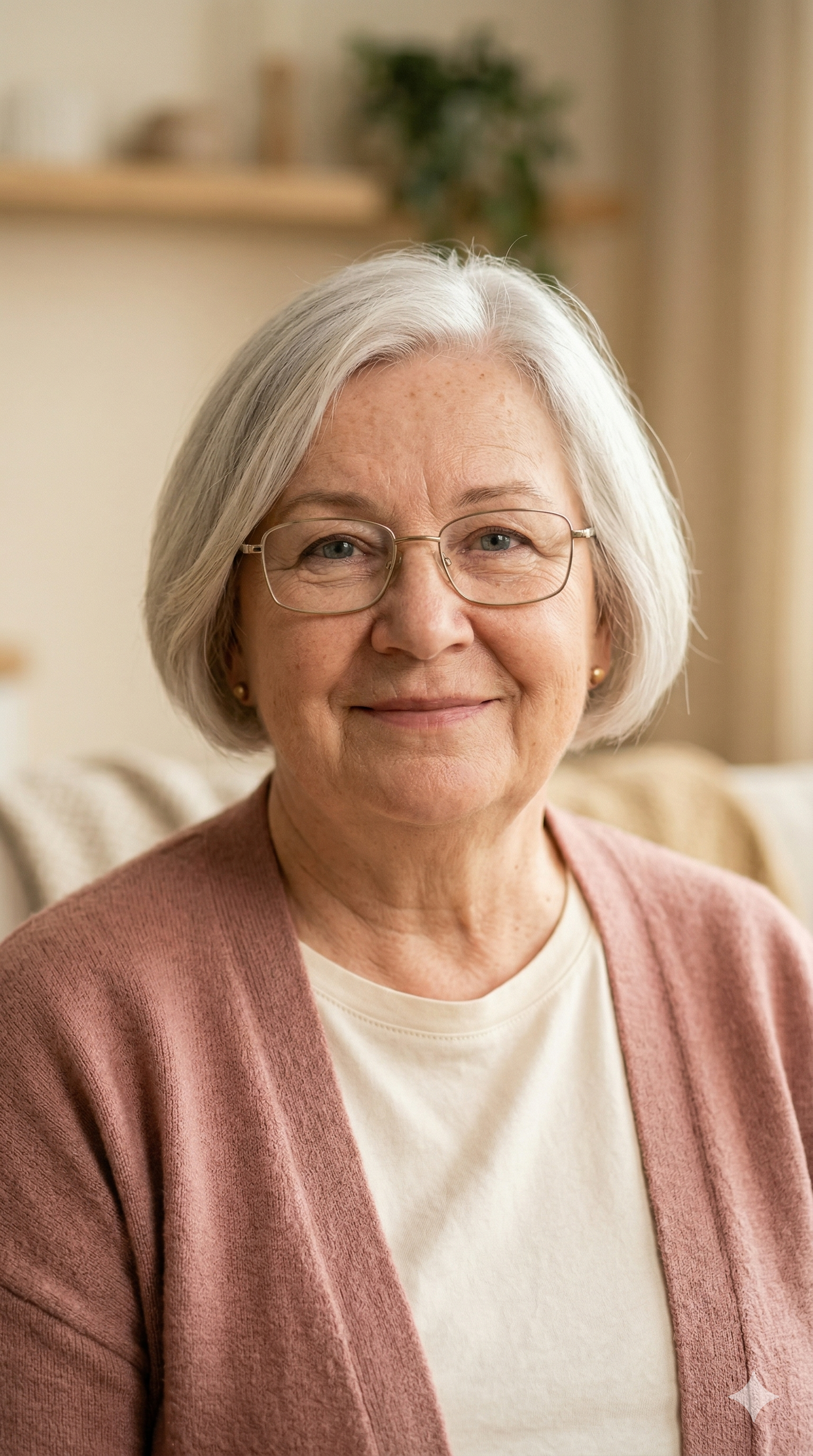
Carol Bjornstad
Farmer's Wife & Community Voice | Aberdeen, South Dakota
Carol Bjornstad has been a farmer's wife, a church treasurer, a grandmother, and a lifelong Lutheran — and she was the last person anyone, including herself, would have expected to walk into a dispensary. Rheumatoid arthritis and three years of broken sleep changed her mind, and her daughter's quiet persistence finally got her through the door. She sat in the parking lot for twenty minutes first. She writes because she knows there are women exactly like her — farm wives, churchwomen, grandmothers — who need to hear this from someone who sounds like them, not like a brochure.
Read Their Articles →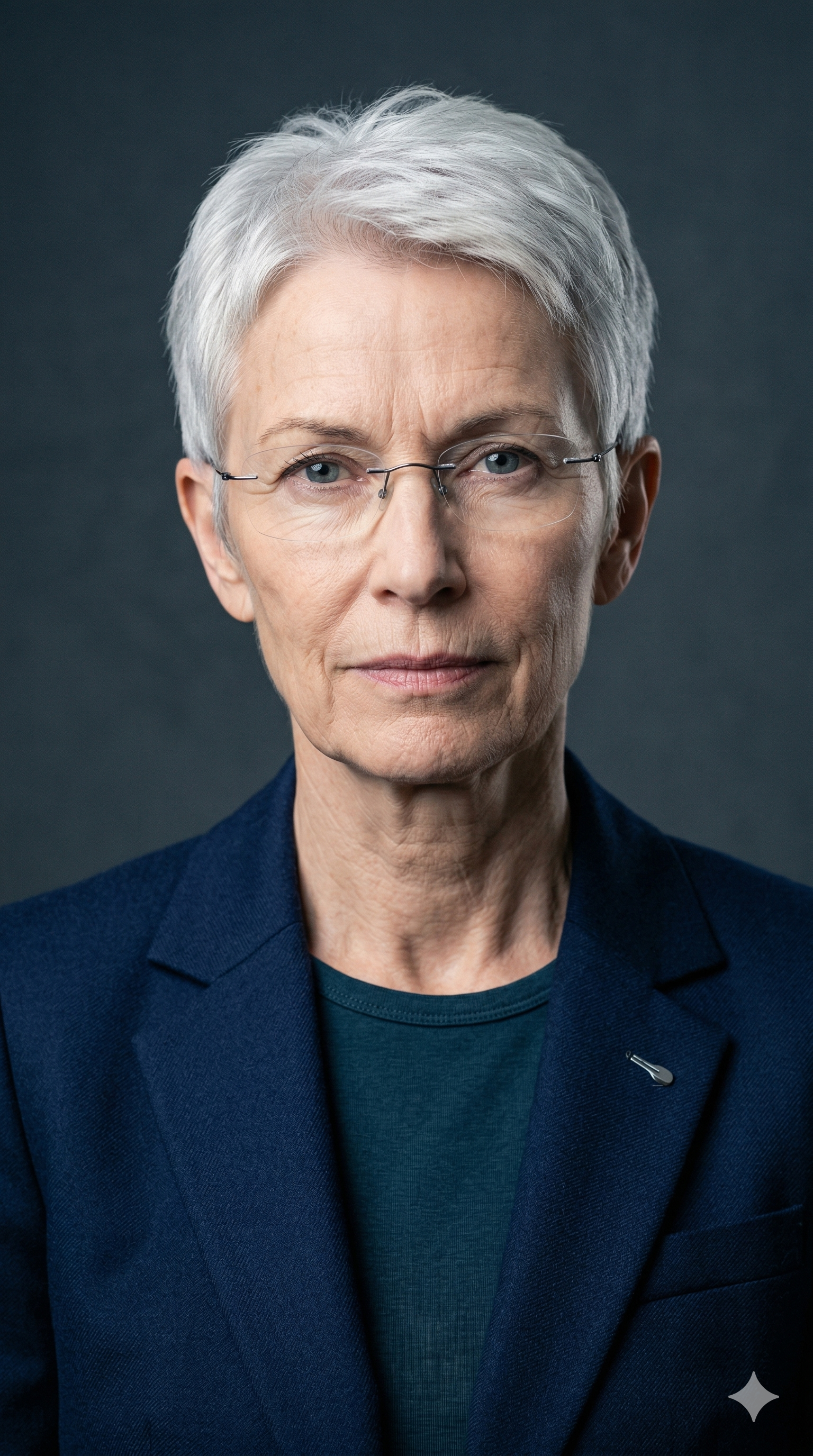
Dr. Ruth Emmert
Retired Analytical Chemist, PhD | Fargo, North Dakota
Dr. Ruth Emmert spent thirty-three years in pharmaceutical quality control, the last decade as Director of Analytical Sciences at a Minnesota pharmaceutical company, ensuring that what was on the label was actually in the bottle. When North Dakota legalized medical cannabis, she reviewed the state's laboratory testing requirements and found them inadequate. She has been writing about the gap between cannabis marketing and cannabis science ever since — how to read a certificate of analysis, why THC percentage tells you less than you think, and what patients should actually be asking before they make a purchase. She is not here to sell you on anything. She is here to make sure you understand what you're buying.
Read Their Articles →
Ashley Carter
Emergency Department Nurse, BSN, CEN | Fargo, North Dakota · Pseudonym
Ashley Carter is a pseudonym. The author is a real, practicing emergency department nurse writing under an alias to protect her professional identity — not because she's ashamed, but because she's practical. She has two kids in the school system and patients who trust her, and she doesn't want anyone spending even ten seconds wondering whether their ER nurse was impaired during their care. The answer is unambiguously no. Ashley has treated her migraines with low-dose medical cannabis for over four years, on her own time, with the same clinical discipline she applies to every other medication in her life. She writes because she's done pretending that a 5mg edible on a Saturday afternoon is somehow less acceptable than the Ambien or the Xanax in her colleagues' medicine cabinets — and she knows she's not the only healthcare worker who feels that way.
Read Their Articles →